
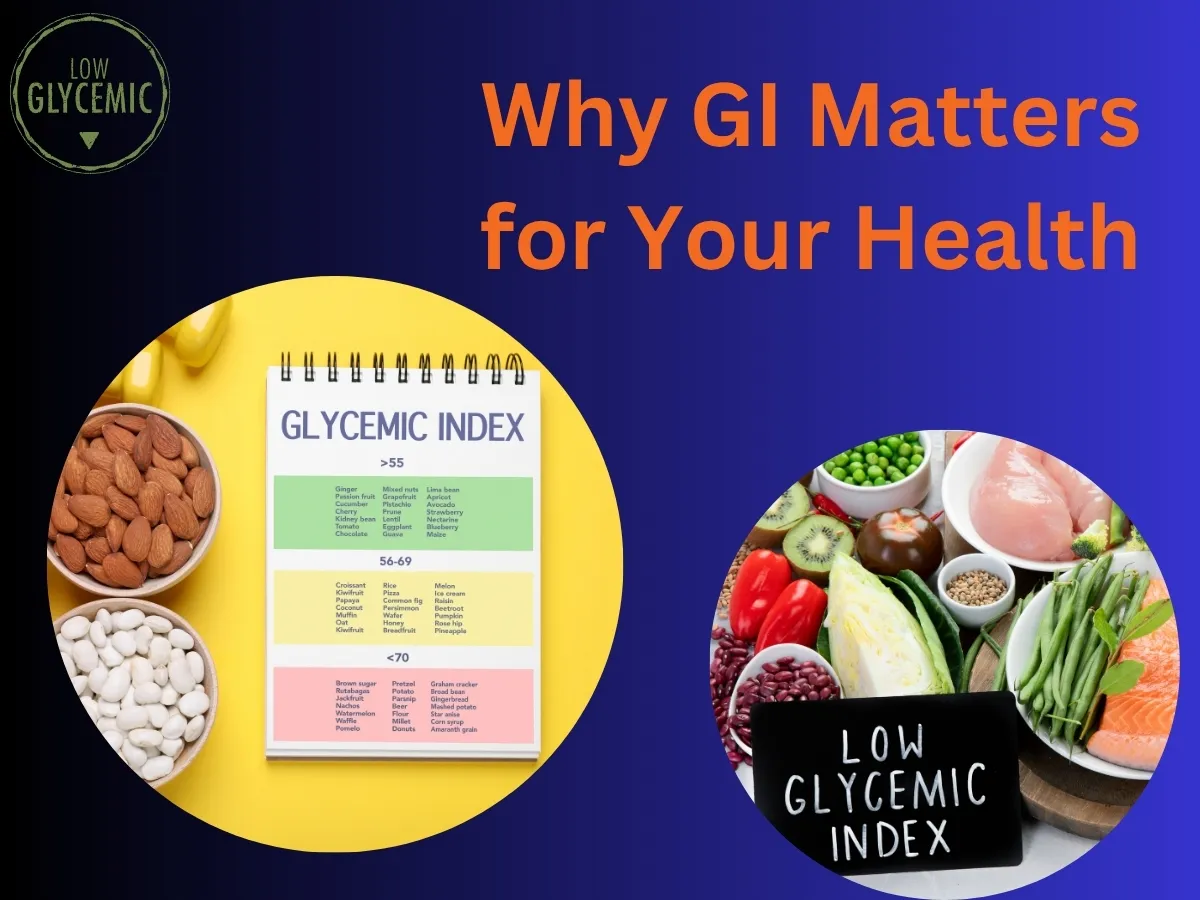
The Glycemic Index (GI) indicates how quickly a carbohydrate-containing food raises blood sugar levels. Keep in mind that GI values can vary based on factors such as cooking time and processing methods. This index ranks foods on a scale from 0 to 100 based on how much they affect blood sugar levels compared to a reference food, usually glucose or white bread. Use our GI calculator to check your favorite foods
- What Is Glycemic Index (GI)? Strategic Benefits
- Calculate GI & GL for Your Favorite Foods
- Glycemic Index and Load Calculator 🍎🍝
- Low-GI vs. Keto: Which Path Is Yours?
-
Frequently Asked Questions About Glycemic Index
- 📊 What is the Glycemic Index (GI)?
- ⚠️ What exactly are high glycemic index foods, and why should diabetics be cautious?
- 🍞 What are examples of high-GI foods and their lower-GI alternatives?
- 🩸 How does consuming high-GI foods affect the body, especially for diabetics?
- 🏃 Are there times when diabetics should eat high-GI foods?
- 📐 What is Glycemic Load (GL) and how is it different from GI?
- 🌅 What are the best low-GI foods for breakfast?
- 🍳 Can cooking methods affect a food's glycemic index?
- 🥑 Is the low-GI diet the same as the keto diet?
- ⚖️ Can eating low-GI foods help with weight loss?
What Is Glycemic Index (GI)? Strategic Benefits
| Focus Area | Why It Matters |
|---|---|
| Blood Sugar Management | Essential for diabetes care. High GI causes rapid spikes, while low GI prevents energy crashes and potential insulin resistance. |
| Energy and Satiety | Low GI releases glucose gradually, providing sustained energy and helping you feel full for longer—perfect for weight management. |
| Athletic Performance | Optimize energy levels during training . Moderate GI foods before exercise ensure a steady fuel supply for competition. |
| Smarter Food Choices | Use GI to select healthier carbohydrates like whole grains, legumes, and specific fruits and vegetables . |
| Smarter Food Choices | Use GI to select healthier carbohydrates like whole grains, legumes, and specific fruits and vegetables. |
| Balanced Diet | GI is one piece of the puzzle. Combine it with lean proteins, healthy fats, and high-fiber options for a complete nutritional plan. |
| Personalized Nutrition | Responses vary. Factors like portion size, meal composition, and food combinations dictate the final impact on your blood sugar. |
In conclusion: Understanding the Glycemic Index empowers you to make smarter food choices, especially when seeking sustained energy or managing blood sugar levels.
Glycemic Index vs. Glycemic Load: What’s the Difference?
While GI measures how quickly a food causes blood sugar levels to rise, Glycemic Load considers the carbohydrate content in a serving to give a more accurate picture of a food’s real-life impact on blood sugar. A GL calculator can help individuals understand how much a particular food will affect their blood sugar levels.
Calculate GI & GL for Your Favorite Foods
Now that you understand the Glycemic Index (GI) and Glycemic Load (GL), use this calculator to see how different foods affect your blood sugar. Simply select a food category, choose a specific food, enter the carbohydrates per serving, and click calculate.
💡 Pro tip: Check nutrition labels for carbohydrate content, or use standard serving sizes (e.g., 1 medium apple = ~25g carbs, 1 cup cooked pasta = ~45g carbs).
Glycemic Index and Load Calculator 🍎🍝
Understanding Your Results
- Low GI: ≤ 55
- Medium GI: 56-69
- High GI: ≥ 70
- Low GL: ≤ 10
- Medium GL: 11-19
- High GL: ≥ 20
💡 What this means for you: A food with high GI but low GL (like watermelon) won't spike blood sugar as much as you might think because it has few carbohydrates. A food with low GI but high GL (like brown rice in large portions) can still affect blood sugar.
The Low-GI Power List
Stabilize your energy and manage blood sugar with these nutrient-dense staples.
| Food Item | GI Score | Why it Works & Pro-Tips |
|---|---|---|
| Quinoa | GI: 35 | High in fiber and protein, resulting in a more stable blood sugar level. Classifies strictly as a low-GI food. |
| Sweet Potatoes | GI: 46* | Rich in complex carbs. *Important: Low GI (46) when boiled; high GI (81) when roasted or fried. |
| Legumes | GI: 10 | Lentils, chickpeas, and black beans provide steady energy. Chickpeas have a low GL of 6.1. |
| Steel-Cut Oats | Low GI | Minimally processed compared to instant oats. High fiber provides sustained morning energy. |
| Greek Yogurt | GI: 11 | High protein, low carb content. Greek yogurt also supports gut health with probiotics. |
| Nuts | GI: 13-28 | Packed with healthy fats and protein. Peanuts (13), Cashews (25), Pistachios (28). Most others have negligible GI scores. |
| Berries | Low GI | Low in sugar and high in antioxidants. Includes strawberries, blueberries, and raspberries. |
| Leafy Greens | Minimal | Spinach, kale, and Swiss chard are fiber-rich with minimal blood sugar impact. |
| Avocado | GI: 10 | A nutrient-dense fruit high in healthy fats for a slow release of energy. |
| Whole Grain Bread | Low-Med GI | Fiber-rich alternative to white bread. Digested much more slowly than refined grains. |
Discover how to plan your meals effectively for long-term health.
Low-GI vs. Keto: Which Path Is Yours?
| Feature | Low-Glycemic (GI) Diet | Ketogenic (Keto) Diet |
|---|---|---|
| Primary Focus | Prioritizes blood sugar stability by choosing slow-digesting carbohydrates. | Induces Ketosis by forcing the body to burn fat instead of sugar for fuel. |
| Carb Intake | Moderate (Complex Carbs) | Ultra-Low (20-50g per day) |
| Key Benefits | Sustained energy, reduced diabetes risk, and long-term metabolic health. | Rapid weight loss, mental clarity, and aggressive blood sugar control. |
| Top Foods | Whole grains, legumes, berries, leafy greens, and lean proteins. | Healthy oils, fatty fish, meat, eggs, avocados, nuts, and seeds. |
| Sustainability | High. Allows for a wide variety of food groups and social flexibility. | Challenging. Highly restrictive nature requires strict tracking and discipline. |
Which Diet is Right for You?
The best diet is ultimately the one you can consistently follow. While Keto offers rapid results, many find the Low-GI lifestyle more sustainable for the long run.
Key Consideration: Always consult with a healthcare provider before making drastic shifts in your macronutrient intake, especially if managing metabolic syndrome or diabetes.
Low-GI Traditional Foods From Around the World
Many beloved traditional foods naturally have a low glycemic index. Explore these global options:
Japan: Edamame (GI: 10) – steamed young soybeans
India: Chickpea curry (GI: 10) – protein-rich and blood-sugar-friendly
Greece: Greek yogurt (GI: 11) – high-protein breakfast staple
Peru: Quinoa (GI: 35) – ancient grain from the Andes
Mexico: Black beans (GI: 30) – fiber-packed legume
Mediterranean: Hummus (GI: 6) – chickpea and tahini dip
You don’t have to sacrifice cultural authenticity for blood sugar stability. These traditional dishes prove that low-GI eating can be delicious and globally inspired. Calculate the GI of your go-to meals →
Frequently Asked Questions About Glycemic Index
Everything you need to know about GI, blood sugar management, and healthy eating
📊 What is the Glycemic Index (GI)?
+The Glycemic Index (GI) is a ranking system that measures how quickly carbohydrate-containing foods raise blood sugar levels. Foods are ranked on a scale from 0 to 100, with pure glucose scoring 100. Low-GI foods (55 or less) cause a slow, gradual rise in blood sugar, while high-GI foods (70 or above) cause rapid spikes.
⚠️ What exactly are high glycemic index foods, and why should diabetics be cautious?
+High glycemic index foods are those that are quickly digested and absorbed, leading to a rapid spike in blood sugar levels. These foods have a GI score of 70 or above on the GI scale (0-100). People with diabetes need to be cautious about consuming high-GI foods because these rapid spikes in blood sugar can be difficult to manage and may lead to complications over time, including increased risk for cardiovascular disease, kidney damage, and vision problems.
🍞 What are examples of high-GI foods and their lower-GI alternatives?
+Common high-GI foods and their healthier alternatives:
- White bread (high GI) → Whole grain or sourdough bread (lower GI)
- Instant oatmeal (high GI) → Steel-cut or old-fashioned rolled oats (lower GI)
- White rice (high GI) → Brown rice, quinoa, or bulgur (lower GI)
- Potatoes (mashed or fried) (high GI) → Sweet potatoes or yams (boiled or baked) (lower GI)
These alternatives provide additional nutrients like fiber, vitamins, and minerals, which are beneficial for overall health.
🩸 How does consuming high-GI foods affect the body, especially for diabetics?
+Consuming high-GI foods leads to rapid increases in blood glucose levels. For individuals with diabetes, whose bodies struggle with insulin production or use, these spikes can be particularly challenging to manage. Over time, frequent blood sugar spikes can contribute to worsening diabetes control, leading to a higher risk of complications such as nerve damage, heart disease, and retinopathy. Additionally, high blood sugar levels can cause symptoms like increased thirst, fatigue, and difficulty concentrating, impacting overall quality of life.
🏃 Are there times when diabetics should eat high-GI foods?
+Yes, there are specific circumstances where consuming high-GI foods may be beneficial. One common situation is during or after intense physical activity when the body needs quick energy replenishment. Another scenario is treating hypoglycemia (low blood sugar), where rapid-acting carbohydrates are necessary to quickly raise blood sugar levels to a safe range. However, these situations should be managed under the guidance of a healthcare professional or registered dietitian.
📐 What is Glycemic Load (GL) and how is it different from GI?
+While GI measures how quickly a food raises blood sugar, Glycemic Load (GL) considers both the GI and the amount of carbohydrates in a serving. GL = (GI × grams of carbs) ÷ 100. A low GL is 10 or less, medium is 11-19, and high is 20+. For example, watermelon has a high GI (72) but low GL (5) per serving because it contains few carbohydrates. GL gives a more accurate picture of a food's real-life impact on blood sugar.
🌅 What are the best low-GI foods for breakfast?
+Excellent low-GI breakfast options include: steel-cut oats (GI: 55), Greek yogurt (GI: 11) with berries, whole grain toast with avocado, chia seed pudding, quinoa breakfast bowls, and smoothies made with spinach, protein powder, and unsweetened almond milk. Avoid instant oatmeal, sugary cereals, and white bread toast.
🍳 Can cooking methods affect a food's glycemic index?
+Yes, cooking methods significantly impact GI. For example, sweet potatoes have a low GI when boiled (GI: 46) but a high GI when baked (GI: 94). Pasta cooked al dente has a lower GI than overcooked pasta. Generally, longer cooking times break down starches, making them more digestible and increasing GI. To keep GI lower, opt for shorter cooking times, boiling instead of baking, and adding acid (lemon juice or vinegar) which can slow digestion.
🥑 Is the low-GI diet the same as the keto diet?
+No, they are different. A low-GI diet focuses on the quality of carbohydrates, allowing moderate amounts of low-GI carbs like whole grains, legumes, and fruits. A keto diet severely restricts all carbohydrates (typically under 50g daily) to induce ketosis. Low-GI is generally considered more sustainable long-term, while keto may produce faster initial weight loss but is harder to maintain. Both can improve blood sugar control, but they work through different mechanisms.
⚖️ Can eating low-GI foods help with weight loss?
+Yes, low-GI foods can support weight loss by promoting satiety and stable blood sugar. When blood sugar spikes and crashes (from high-GI foods), it triggers hunger and cravings. Low-GI foods release glucose slowly, keeping you fuller for longer and reducing between-meal snacking. Studies show low-GI diets can be as effective for weight loss as low-fat diets, with additional benefits for blood sugar control and heart health.
📋 Do you have a question about the Glycemic Index? Ask below — I'd love to help!





April 7, 2026 at 4:50 am[…] on reducing foods that are high in refined carbohydrates and sugars, especially those with a high glycemic index. This strategic shift in eating patterns offers a wide range of health benefits, […]